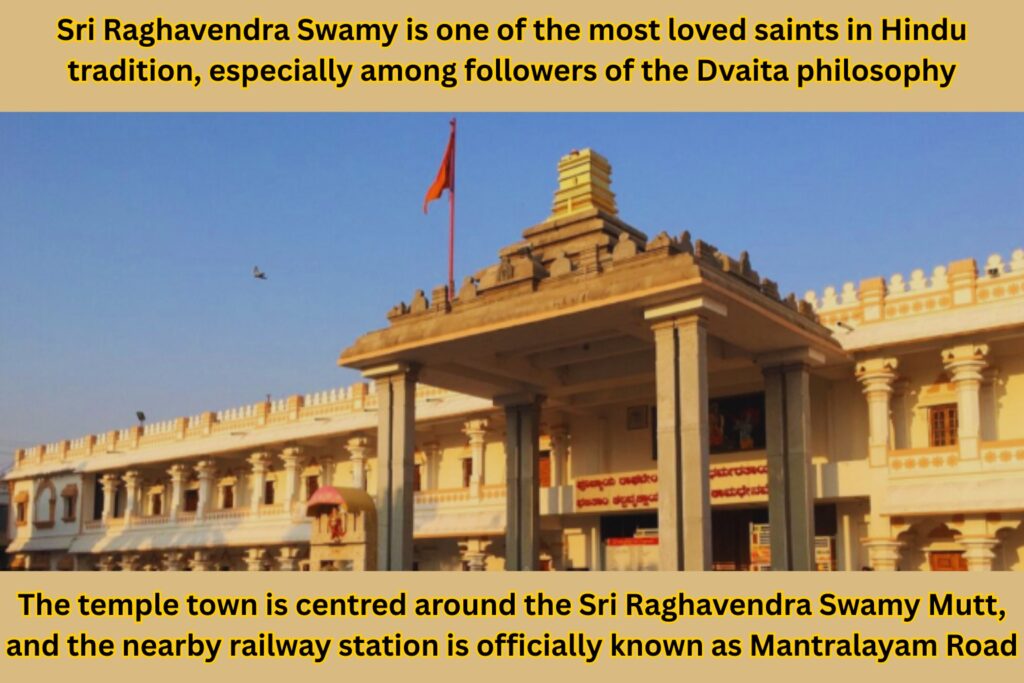
Discover the spiritual significance of Mantralayam Temple, home of Sri Raghavendra Swamy. Explore darshan details, travel tips, accommodation, food, and more.
Nestled on the serene banks of the Tungabhadra River in Andhra Pradesh, Mantralayam Temple is one of India’s most revered pilgrimage destinations. Every year, millions of devotees visit this sacred town to seek the blessings of Sri Raghavendra Swamy, the legendary saint known for his wisdom, devotion, and miracles.
More than just a temple town, Mantralayam is a place where faith comes alive. The peaceful atmosphere, spiritual energy, and centuries-old traditions create an experience that touches the hearts of devotees from all walks of life. Whether you are seeking divine blessings, inner peace, or a meaningful spiritual journey, Mantralayam Temple offers an unforgettable experience.
The Sacred Legacy of Sri Raghavendra Swamy
The spiritual importance of Mantralayam Temple is deeply connected to Sri Raghavendra Swamy, one of the most respected saints in the Hindu tradition. A devoted follower of Lord Vishnu and an exponent of the Dvaita philosophy, Sri Raghavendra Swamy dedicated his life to spreading knowledge, compassion, and devotion.
Devotees believe that even after entering Jeeva Samadhi, Sri Raghavendra Swamy continues to bless those who pray with sincere faith. His sacred Brindavana at Mantralayam remains the focal point of devotion and attracts pilgrims from across India and abroad.
Many visitors share stories of answered prayers, personal transformation, and miraculous experiences associated with the saint’s blessings, making Mantralayam a symbol of hope and faith.
Why Mantralayam Temple Is So Special
Unlike many tourist destinations, Mantralayam Temple offers a deeply spiritual experience rather than a sightseeing trip. The moment visitors enter the temple town, they are welcomed by devotional chants, sacred rituals, and an atmosphere filled with devotion.
Some reasons why devotees love visiting Mantralayam include:
The sacred Brindavana of Sri Raghavendra Swamy
Peaceful surroundings on the banks of the Tungabhadra River
Daily poojas and devotional activities
Rich spiritual heritage and traditions
Opportunities for prayer, meditation, and reflection
A strong sense of divine presence
For many devotees, a visit to Mantralayam is not merely a journey but a transformative spiritual experience.
Main Attractions in Mantralayam
Sri Raghavendra Swamy Mutt
The heart of Mantralayam is the famous Sri Raghavendra Swamy Mutt. This sacred complex houses the revered Brindavana where devotees gather to offer prayers and seek blessings.
The mutt maintains a disciplined and devotional environment, making it an ideal place for spiritual contemplation.
Brindavana Darshan
The Brindavana of Sri Raghavendra Swamy is considered the most sacred place in Mantralayam. Devotees offer prayers for:
Health and well-being
Career growth
Educational success
Family harmony
Financial stability
Spiritual progress
Many believe that sincere prayers offered here receive divine grace.
Tungabhadra River
The Tungabhadra River adds both natural beauty and spiritual significance to the town. Pilgrims often spend time near the riverbank, enjoying the peaceful surroundings and reflecting on their spiritual journey.
Temple Streets
The streets surrounding the temple are lined with devotional shops, religious books, prayer items, and local souvenirs that enrich the pilgrimage experience.
Best Time to Visit Mantralayam Temple
October to February
This is considered the best season to visit. Pleasant weather allows devotees to comfortably participate in darshan and temple activities.
July to September
The monsoon season brings a refreshing atmosphere, though visitors should remain informed about weather conditions due to the town’s proximity to the Tungabhadra River.
March to June
Summer temperatures can be high, making early morning and evening visits more comfortable.
Accommodation Options Near Mantralayam Temple
Mantralayam offers a variety of accommodation choices suitable for different budgets and travel preferences.
Available options include:
Mutt-managed guest rooms
Budget lodges
Family accommodations
Private hotels
Pilgrim guest houses
During weekends, holidays, and special religious occasions, advance booking is strongly recommended.
Famous Food in Mantralayam
Food in Mantralayam reflects the simplicity and spirituality of the temple town.
Popular options include:
Traditional South Indian meals
Idli, dosa, and vada
Temple prasadam
Andhra-style vegetarian dishes
Filter coffee and tea
Family-friendly dining options
Many devotees prefer light and sattvic meals during their pilgrimage.
Travel Tips for Devotees
To make your visit smooth and comfortable:
Wear traditional or modest clothing
Arrive early to avoid long queues
Follow temple customs and guidelines
Carry drinking water and essential medicines
Keep mobile phone usage minimal inside sacred areas
Respect the devotional atmosphere and fellow pilgrims
A little preparation can make your pilgrimage more peaceful and fulfilling.
Why Thousands Choose YoDrives for Temple Trips
A pilgrimage becomes more enjoyable when travel is comfortable and hassle-free. Whether you are traveling with family, elderly parents, or a group of devotees, YoDrives offers convenient self-drive and chauffeur-driven options for outstation journeys.
Benefits of Choosing YoDrives
Well-maintained vehicles
Comfortable long-distance travel
Flexible pickup and drop options
Suitable for family and group trips
Affordable rental plans
Easy booking process
With YoDrives, travelers can focus on their spiritual journey while enjoying a safe and comfortable travel experience.
Visit www.yodrives.com to explore travel options for your next pilgrimage.
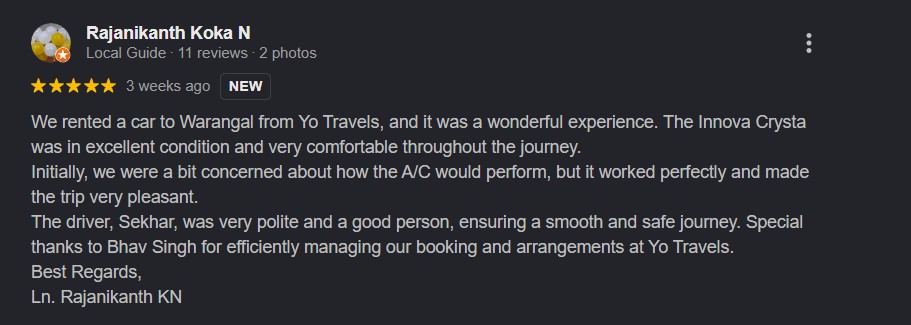
Customer Testimonials
Frequently Asked Questions (FAQs)
1. What is Mantralayam Temple famous for?
Mantralayam Temple is famous for the sacred Brindavana of Sri Raghavendra Swamy, one of India’s most revered saints.
2. Where is Mantralayam Temple located?
Mantralayam is located in Andhra Pradesh on the banks of the Tungabhadra River near the Karnataka border.
3. What is the best time to visit Mantralayam Temple?
The most comfortable period to visit is from October to February when the weather is pleasant.
4. Can senior citizens comfortably visit Mantralayam?
Yes. The town offers accommodation, transportation, and facilities suitable for elderly pilgrims.
5. Is accommodation available near the temple?
Yes. There are mutt guest houses, budget lodges, and private hotels available close to the temple.
6. How much time is required for darshan?
Darshan duration varies depending on crowd levels, festivals, and special occasions.
7. Is food easily available in Mantralayam?
Yes. Several restaurants and dining facilities serve simple vegetarian meals and traditional South Indian food.
8. Can families visit Mantralayam comfortably?
Absolutely. The destination is family-friendly and suitable for pilgrims of all age groups.
9. Why do devotees visit Sri Raghavendra Swamy’s Brindavana?
Devotees visit to seek blessings for health, prosperity, peace, education, and spiritual growth.
10. Why is Mantralayam considered a miracle destination?
Many devotees believe Sri Raghavendra Swamy continues to bless devotees from his Brindavana, leading to countless stories of answered prayers and personal transformation.
Conclusion
Mantralayam Temple is much more than a pilgrimage destination it is a place where devotion, faith, and spiritual peace come together. The sacred presence of Sri Raghavendra Swamy, the tranquil atmosphere of the temple town, and the timeless traditions of worship create an experience that stays with devotees long after they return home.
Whether you seek blessings, gratitude, healing, or simply a break from the fast pace of life, Mantralayam welcomes every visitor with open arms and divine grace. For a comfortable and memorable pilgrimage, plan your journey wisely and let the spiritual energy of Mantralayam Temple guide your path toward peace and fulfillment.
Discover the complete Ahobilam Temple with Nava Narasimha temples, trekking routes, temple history, travel tips, accommodation, and Hyderabad road trip details.
Why Ahobilam Temple Is Famous
Imagine trekking through dense forests, crossing streams, exploring ancient caves, and finally standing before the fierce yet compassionate form of Lord Narasimha. That is the experience awaiting pilgrims and travelers at Ahobilam Temple, one of the most sacred pilgrimage destinations in India.
Located deep within the Nallamala Hills of Andhra Pradesh, Ahobilam Temple is renowned for the Nava Narasimha Temples, nine sacred shrines dedicated to different manifestations of Lord Narasimha. Beyond its spiritual significance, Ahobilam Temple is also a paradise for nature lovers, trekkers, photographers, and road-trip enthusiasts seeking a unique blend of devotion and adventure.
Whether you are planning a family pilgrimage, a weekend getaway with friends, or a self-drive adventure from Hyderabad, this complete guide to Ahobilam Temple covers everything you need to know before visiting, including temple history, trekking routes, travel tips, accommodation options, and the sacred Nava Narasimha pilgrimage.
Where is Ahobilam Located?
Ahobilam Temple is situated in the Nandyal district of Andhra Pradesh amidst the scenic Nallamala forest range. Surrounded by lush greenery, rocky hills, waterfalls, and ancient caves, Ahobilam Temple offers a unique blend of spirituality, history, and natural beauty.
Distance from Major Cities
Location
Distance
Hyderabad
360 km
Nandyal
70 km
Kurnool
150 km
Bengaluru
320 km
Tirupati
380 km
The temple complex is divided into:
Lower Ahobilam
The base area containing accommodation, shops, and major temple facilities.
Upper Ahobilam
The hill section where most trekking routes and important Narasimha temples are located.
Why is Ahobilam So Famous?
Ahobilam Temple is believed to be the exact place where Lord Vishnu appeared as Narasimha to protect Prahlada and destroy the demon king Hiranyakashipu. This sacred connection makes Ahobilam Temple one of the most revered pilgrimage destinations for devotees of Lord Narasimha.
According to Hindu mythology, Hiranyakashipu challenged Prahlada’s unwavering devotion and questioned whether Lord Vishnu existed inside a pillar. In response, Lord Narasimha emerged from the pillar in a fierce half-man, half-lion form and restored righteousness by defeating the demon king. The divine event associated with Ahobilam Temple continues to attract thousands of devotees and spiritual seekers every year.
The rich mythology, ancient traditions, and spiritual significance of Ahobilam Temple make it a must-visit destination for pilgrims, history enthusiasts, and travelers exploring the sacred heritage of Andhra Pradesh.
The word Ahobilam is derived from:
Aho – Wonder
Balam – Strength
Meaning:
“Oh, What Great Power!”
This divine event makes Ahobilam one of the most important Narasimha pilgrimage sites in the world.
The Nava Narasimha Temples
The biggest attraction of Ahobilam is the sacred Nava Narasimha Yatra.
Each temple represents a unique aspect of Lord Narasimha.
1. Jwala Narasimha
The fiercest form of Narasimha.
Believed to be the exact location where Hiranyakashipu was slain.
Trek Distance: Approximately 4 km.
2. Ahobila Narasimha
The principal temple of Upper Ahobilam.
Represents Narasimha immediately after defeating Hiranyakashipu.
3. Malola Narasimha
One of the most visited temples.
Depicts Lord Narasimha with Goddess Lakshmi seated on His lap.
Symbolizes compassion and divine grace.
4. Kroda Narasimha
Also known as Varaha Narasimha.
Located inside a cave and associated with Lord Vishnu’s Varaha incarnation.
5. Karanja Narasimha
Situated beneath a sacred Karanja tree.
Believed to bless devotees with courage and protection.
6. Bhargava Narasimha
Associated with Lord Parashurama.
Features the sacred Bhargava Tirtha nearby.
7. Yogananda Narasimha
Lord Narasimha appears in a meditative yogic posture.
Represents spiritual wisdom and self-discipline.
8. Chatravata Narasimha
Located amidst peaceful forest surroundings.
Traditionally associated with celestial musicians and divine worship.
9. Pavana Narasimha
Known as the purifier of sins.
One of the most scenic temples in Ahobilam.
Ahobilam Trekking Guide
Unlike most temple destinations, Ahobilam offers an unforgettable trekking experience.
Popular routes include:
Trek Route
Distance
Upper Ahobilam to Malola Narasimha
2 km
Upper Ahobilam to Jwala Narasimha
4 km
Pavana Narasimha Trail
6 km
During the trek, visitors encounter:
Forest trails
Waterfalls
Rocky hills
Natural caves
Scenic viewpoints
This combination of spirituality and adventure makes Ahobilam unique among pilgrimage destinations.
Hyderabad to Ahobilam Road Trip
A road trip from Hyderabad to Ahobilam is one of the most popular weekend travel options for devotees and adventure enthusiasts.
Monsoon transforms the hills into a lush green paradise.
April to June
Summer temperatures can make trekking challenging.
Famous Local Food to Try Near Ahobilam
A visit to Ahobilam is incomplete without tasting authentic Andhra cuisine.
Popular dishes include:
Pulihora
Pongal
Andhra Meals
Bobbatlu
Mirapakaya Bajji
Curd Rice
Temple Prasadam
Accommodation in Ahobilam
Visitors can choose from:
Temple Guest Houses
Ahobila Mutt Accommodation
Budget Lodges
Hotels in Allagadda
Hotels in Nandyal
For those planning to visit all Nava Narasimha temples, a one-night stay is highly recommended.
Travel Tips for Ahobilam Visitors
✔ Wear trekking shoes
✔ Carry water and snacks
✔ Begin trekking early in the morning
✔ Hire a local guide for the complete Nava Narasimha trail
✔ Follow temple dress codes
✔ Keep mobile power banks handy
✔ Avoid trekking alone after sunset
Customer Testimonials
Frequently Asked Questions
Where is Ahobilam located?
Ahobilam is located in the Nandyal district of Andhra Pradesh within the Nallamala Hills.
Why is Ahobilam famous?
It is believed to be the place where Lord Narasimha appeared to protect Prahlada and defeat Hiranyakashipu.
How many temples are there in Ahobilam?
There are nine sacred temples collectively known as the Nava Narasimha Temples.
What is the distance from Hyderabad to Ahobilam?
Approximately 360 km by road.
Is trekking required?
Yes, several temples require short to moderate trekking.
How many days are needed?
Most visitors complete the trip in 1–2 days.
Which is the main temple?
The Ahobila Narasimha Temple in Upper Ahobilam is considered the primary shrine.
What is the best time to visit?
October to March is considered the best period.
Is accommodation available?
Yes, temple guest houses, mutts, and hotels are available nearby.
Are guides available?
Yes, local guides are available and recommended for first-time visitors.
Conclusion
This Ahobilam Temple Guide showcases why Ahobilam remains one of India’s most powerful spiritual destinations. Home to the sacred Nava Narasimha Temples, surrounded by the breathtaking Nallamala Hills, and enriched with mythology, trekking trails, waterfalls, and ancient traditions, Ahobilam offers an experience unlike any other pilgrimage destination.
Whether you seek divine blessings, an adventurous trek through sacred forests, a peaceful family getaway, or a memorable road trip from Hyderabad, Ahobilam delivers a journey filled with faith, nature, and unforgettable memories.
For devotees of Lord Narasimha and travelers exploring Andhra Pradesh’s hidden gems, Ahobilam is truly a destination that deserves a place on every travel bucket list.
Planning the perfect Hyderabad to Hampi road trip? From ancient temples and UNESCO heritage monuments to breathtaking sunsets and scenic highways, the Hyderabad to Hampi road trip is one of the best weekend getaways from Hyderabad.
The highlight of every Hyderabad to Hampi road trip is the iconic Virupaksha Temple — the spiritual heart of Hampi and one of the oldest continuously functioning temples in India.
If you are searching for:
Hyderabad to Hampi distance
Best route from Hyderabad to Hampi
Hampi travel guide
Virupaksha Temple timings
Places to visit in Hampi
Best time to visit Hampi
Hyderabad to Hampi self-drive trip
Then this complete Hampi road trip guide covers everything you need.
Why the Hyderabad to Hampi Road Trip Is So Popular
The Hyderabad to Hampi road trip is not just another highway drive. It is a journey through South India’s rich history, culture, architecture, and spirituality.
As you leave Hyderabad behind, modern city roads slowly transform into peaceful countryside landscapes, rocky Karnataka terrain, ancient villages, and stunning heritage surroundings.
Unlike crowded hill stations, the Hyderabad to Hampi road trip offers:
Smooth highways
Scenic landscapes
Historical attractions
Spiritual experiences
Photography spots
Heritage monuments
Peaceful road travel
That is why the Hyderabad to Hampi road trip has become one of the most searched weekend road trips in South India.
Hyderabad to Hampi Distance & Travel Time
Travel Details
Information
Hyderabad to Hampi Distance
Approx. 375–380 KM
Hyderabad to Hampi Travel Time
7–8 Hours
Best Route from Hyderabad to Hampi
Hyderabad → Mahbubnagar → Raichur → Gangavathi → Hampi
Ideal Departure Time
5:00 AM
Recommended Trip Duration
2 Nights / 3 Days
The Hyderabad to Hampi road trip route is ideal for self-drive travellers because most of the roads are smooth and easy to navigate.
Best Stops During the Hyderabad to Hampi Road Trip
Alampur Jogulamba Temple
A famous Shakti Peetha near the Tungabhadra River and a peaceful spiritual stop during the Hyderabad to Hampi road trip.
Raichur
Perfect for breakfast, tea breaks, and fuel refill.
Tungabhadra Dam
One of the most scenic stops before entering Hampi.
Virupaksha Temple: The Main Attraction in Hampi
The famous Virupaksha Temple is the soul of Hampi tourism and the biggest highlight of the Hyderabad to Hampi road trip.
Dedicated to Lord Shiva, Virupaksha Temple has remained active for centuries and continues to attract pilgrims, photographers, architecture lovers, and history enthusiasts.
Originally built during the 7th century, the temple later expanded under the Vijayanagara Empire and became one of the most important spiritual centres in South India.
Why Virupaksha Temple Is Famous
Massive Eastern Gopuram
The towering entrance structure dominates the Hampi skyline and is visible from multiple points in the city.
Vijayanagara Architecture
The temple showcases detailed carvings, ancient murals, massive pillars, and classic Dravidian architecture.
Inverted Shadow Phenomenon
One of the most fascinating attractions inside Virupaksha Temple is the inverted shadow effect of the temple tower.
Temple Elephant Blessings
Many visitors arrive early morning to receive blessings from the temple elephant.
Virupaksha Temple Timings
Details
Information
Morning Timings
6:00 AM – 1:00 PM
Evening Timings
5:00 PM – 8:30 PM
Entry Fee
Free
Best Visit Time
Early Morning
Photography
Allowed in outer areas
For the best experience during your Hyderabad to Hampi road trip, visit Virupaksha Temple between 6:00 AM and 9:00 AM.
Best Time to Visit Hampi
Season
Experience
October to February
Best weather for sightseeing
March to April
Festival season
May to June
Extremely hot
July to September
Green but slippery
Winter is the ideal season for the Hyderabad to Hampi road trip because the weather remains pleasant for exploring monuments and temples.
Best Places to Visit in Hampi
Vittala Temple
Home to the world-famous Stone Chariot and Musical Pillars.
Hemakuta Hill
Perfect sunrise viewpoint near Virupaksha Temple.
Matanga Hill
Best sunset viewpoint in Hampi.
Lotus Mahal
One of the most beautiful Indo-Islamic structures in Hampi.
Elephant Stables
Ancient royal elephant chambers of the Vijayanagara Empire.
Tungabhadra River
Popular for coracle rides and riverside photography.
Suggested 2-Day Hampi Itinerary
Day 1
Virupaksha Temple
Hemakuta Hill
Hampi Bazaar
Vittala Temple
Matanga Hill Sunset
Day 2
Royal Enclosure
Queen’s Bath
Lotus Mahal
Elephant Stables
Tungabhadra River Ride
Anegundi Village
Best Foods to Try During the Hyderabad to Hampi Road Trip
No Hyderabad to Hampi road trip is complete without tasting Karnataka’s authentic food.
Recommended Foods
Karnataka Thali
Jolada Roti
Bisi Bele Bath
Puliyogare
Maddur Vada
Ragi Mudde
South Indian Filter Coffee
Many cafes near Hampi Bazaar also serve continental food and breakfast options.
Best Hotels & Resorts in Hampi
7
Budget Hotels
Guesthouses near Hampi Bazaar
Mid Range Resorts
Heritage Resort Hampi
Clarks Inn Hampi
Hampi’s Boulders Resort
Luxury Resorts
Evolve Back Hampi
Hyatt Place Hampi
WelcomHeritage Shivavilas Palace
Why Self Drive Is Best for the Hyderabad to Hampi Road Trip
A self drive journey gives you complete freedom to explore Hampi without rushing.
The Hyderabad to Hampi distance is approximately 375–380 KM depending on the route taken.
2. How long does the Hyderabad to Hampi road trip take?
The Hyderabad to Hampi road trip usually takes around 7–8 hours.
3. What is the best route from Hyderabad to Hampi?
The best route is Hyderabad → Mahbubnagar → Raichur → Gangavathi → Hampi.
4. What is the best time to visit Hampi?
October to February is considered the best time to visit Hampi.
5. Is Virupaksha Temple free to enter?
Yes, entry to Virupaksha Temple is completely free.
6. What are the Virupaksha Temple timings?
Virupaksha Temple timings are 6:00 AM–1:00 PM and 5:00 PM–8:30 PM.
7. Is Hampi safe for solo travellers?
Yes, Hampi is generally safe for solo travellers, families, and couples.
8. How many days are enough for Hampi?
A 2-night, 3-day trip is ideal for exploring major attractions in Hampi.
9. Can I visit Hampi during summer?
Yes, but summer temperatures can exceed 40°C, making sightseeing difficult.
10. Why is the Hyderabad to Hampi road trip famous?
The Hyderabad to Hampi road trip is famous for its scenic highways, UNESCO heritage monuments, ancient temples, and cultural experiences.
Final Thoughts
The Hyderabad to Hampi road trip is one of the most unforgettable travel experiences in South India. From smooth highways and scenic landscapes to the majestic Virupaksha Temple and the timeless ruins of Hampi, every kilometre feels memorable.
If you are planning your next weekend getaway from Hyderabad, this Hyderabad to Hampi road trip deserves a place at the top of your travel bucket list.
Planning a Hyderabad to Tirupati trip with family or friends? A road trip from Hyderabad to Tirupati is one of the most popular spiritual journeys in South India. Thousands of devotees travel every week to seek the blessings of Lord Venkateswara at Tirumala and many also include Kanipakam Vinayaka Temple in the same journey for a complete pilgrimage experience.
This Hyderabad to Tirupati trip guide covers everything you need to know including distance, route details, darshan planning, best itinerary, travel time, food, accommodation, and important tips for a comfortable family pilgrimage.
Why Hyderabad to Tirupati is One of the Most Popular Temple Trips
A Hyderabad to Tirupati trip is one of the most popular spiritual journeys in India because Tirupati is among the world’s most visited pilgrimage destinations. The Sri Venkateswara Swamy Temple at Tirumala attracts millions of devotees every year who travel seeking blessings, peace, and spiritual fulfillment.
Many travellers from Hyderabad prefer road trips because they offer:
Flexible travel timings
Comfortable family travel
Easier luggage handling
Convenient stops during the journey
Ability to include nearby temples like Kanipakam
A Hyderabad to Tirupati road trip is especially suitable for:
Families
Senior citizens
Group pilgrims
Weekend spiritual journeys
Temple tour travellers
Hyderabad to Tirupati Distance & Travel Time
Hyderabad to Tirupati Distance
Approx Distance: 560 KM
Travel Time: 9 to 10 Hours by Road
Tirupati to Kanipakam Distance
Approx Distance: 65–70 KM
Travel Time: Around 2 Hours
Most devotees prefer overnight departures from Hyderabad so they can reach Tirupati early and manage darshan timings comfortably.
Live navigation is recommended because traffic conditions and diversions can vary.
Tirupati Darshan Guide
The Tirumala Sri Venkateswara Swamy Temple is managed by TTD and offers multiple darshan systems for devotees.
Sarva Darshan
Free darshan option available for all pilgrims.
Special Entry Darshan
Also known as Seeghra Darshan, this option helps reduce waiting time.
Sevas
Popular sevas include:
Suprabhatam
Thomala Seva
Archana
Abhishekam
Poolangi Seva
Darshan timings can change depending on crowd levels, weekends, festivals, and temple schedules. Advance booking is strongly recommended.
Why Many Travellers Add Kanipakam to the Trip
After completing their Hyderabad to Tirupati trip, many devotees continue toward the famous Kanipakam Sri Varasiddhi Vinayaka Swamy Temple before returning to Hyderabad for a more complete spiritual journey.
Kanipakam is famous for:
Swayambhu Lord Ganesha temple
Spiritual significance
Family blessings
Removal of obstacles
Peaceful temple atmosphere
Because Kanipakam is located relatively close to Tirupati, it can easily be covered in the same pilgrimage trip.
About Kanipakam Vinayaka Temple
During a Hyderabad to Tirupati trip, many devotees also visit Kanipakam Temple, one of Andhra Pradesh’s most powerful Lord Ganesha temples. The self manifested deity attracts devotees from across South India throughout the year seeking blessings and spiritual peace.
The temple is especially popular among devotees praying for:
Marriage
Education
Career success
Family harmony
Health
New beginnings
The peaceful devotional atmosphere makes Kanipakam an excellent final stop before returning to Hyderabad.
Best Hyderabad to Tirupati Trip Itinerary
Option 1: 2-Day Fast Pilgrimage Trip
Day 1
Start from Hyderabad
Reach Tirupati/Tirumala
Complete darshan
Overnight stay
Day 2
Visit Kanipakam Temple
Return to Hyderabad
This itinerary is ideal for:
Weekend pilgrims
Quick spiritual trips
Travellers with confirmed TTD bookings
Option 2: 3-Day Comfortable Family Trip
Day 1
Hyderabad to Tirupati
Hotel check-in
Rest and local sightseeing
Day 2
Tirumala darshan
Nearby temple visits
Overnight stay
Day 3
Visit Kanipakam
Return journey to Hyderabad
This is the best option for:
Families
Senior citizens
Children
Relaxed road travel
Best Time to Visit Tirupati
Recommended Months
October to February
The weather during this season is more comfortable for temple visits and long-distance travel.
Peak Crowd Seasons
Heavy crowds are common during:
Brahmotsavam
Vaikunta Ekadasi
Weekends
Summer holidays
Long weekends
Advance booking is highly recommended during festival periods.
Tirupati Food & Accommodation
Tirupati & Tirumala
Devotees can find:
TTD accommodation
Hotels and lodges
Family rooms
Restaurants
Anna Prasadam facilities
Kanipakam
The temple town offers:
Traditional prasadam
South Indian meals
Local tiffin centers
Families should also carry:
Water bottles
Medicines
Snacks
ID proofs
Comfortable clothing
Important Travel Tips for Tirupati Trip
Book Darshan Early
TTD tickets fill quickly during weekends and holidays.
Start Your Journey Early
Early departures help manage darshan schedules better.
Dress Traditionally
Traditional attire is preferred inside temple premises.
Keep Extra Buffer Time
Darshan queue waiting times may vary depending on crowd levels.
Plan Comfortable Stops
Especially important for elders and children during long-distance road trips.
Comfortable Travel with YoDrives
For a comfortable Hyderabad to Tirupati trip, many families prefer private road travel because it provides better flexibility, smoother temple travel, and greater convenience compared to changing multiple buses or trains during the journey.
Direct trains are available from Hyderabad to Tirupati.
Flight Connectivity
Nearest airport:
Tirupati Airport
FAQs – Hyderabad to Tirupati Trip
1. What is the distance from Hyderabad to Tirupati?
The distance is approximately 560 KM by road.
2. Is Tirupati suitable for a family trip?
Yes, Tirupati is one of the most popular family pilgrimage destinations in South India.
3. Can Kanipakam be covered in the same trip?
Yes, Kanipakam can easily be included in the same itinerary.
4. Is advance Tirupati booking necessary?
Yes, advance booking is strongly recommended.
5. What is the best time to visit Tirupati?
October to February is generally considered the best period.
6. Which is the best travel option for families?
Private road travel is usually the most comfortable option for families and group pilgrims.
7. How much time does Tirupati darshan take?
It depends on crowd levels and darshan category.
8. Is a 2 day Tirupati trip possible?
Yes, many devotees complete the journey comfortably in 2 days.
Conclusion
A Hyderabad to Tirupati trip is one of the most spiritually fulfilling journeys for devotees from Telangana and Andhra Pradesh. From the divine darshan of Lord Venkateswara at Tirumala to the peaceful blessings of Kanipakam Vinayaka Temple, this road trip offers the perfect blend of devotion, family travel, and spiritual experience.
With proper planning, advance darshan booking, and comfortable transportation, a Hyderabad to Tirupati trip becomes a peaceful and memorable spiritual journey for families, devotees, and group travellers alike.
Discover new car rules in Telangana 2026, including road safety cess, fines, registration rules, and compliance tips for vehicle owners.
🚀 Introduction
The new car rules in Telangana 2026 bring significant changes for every vehicle owner. Whether you are planning to buy a car or already own one, understanding the new car rules in Telangana 2026 is essential to avoid penalties and ensure compliance.
From digital registration to stricter enforcement, these updated vehicle regulations aim to improve safety, transparency, and efficiency across Telangana, especially in cities like Hyderabad.
Telangana has integrated with the national VAHAN portal for seamless services. You can access vehicle details through the official portal of the Ministry of Road Transport and Highways.
1. 🚨 Road Safety Cess in Telangana 2026
One of the biggest highlights is the introduction of the Road Safety Cess.
₹2,000 – Two-wheelers
₹5,000 – Cars & SUVs
₹10,000 – Heavy vehicles
👉 This new tax under the new car rules in Telangana 2026 helps improve infrastructure and reduce accidents.
2. 💻 VAHAN Integration
The new car rules in Telangana 2026 include full integration with the VAHAN portal.
Benefits:
Faster vehicle registration
Easy ownership transfer
Digital records
👉 This makes the system more efficient and transparent.
3. 📄 Paperless Registration System
Under the new car rules in Telangana 2026, vehicle registration is now completely paperless.
No physical documents
Faster approvals
Dealer-based uploads
👉 This marks a major digital shift in vehicle registration and transport services.
4. 🚔 Stricter Traffic Enforcement
The new car rules in Telangana 2026 enforce strict penalties using AI.
AI cameras
Automatic challans
License verification
Penalty Example:
Drunk driving: ₹10,000
👉 Enforcement is stronger than ever under the updated regulations.
5. 💸 Reduction in Some Fines
Interestingly, the updated regulations also reduce certain fines.
👉 This ensures balance between strict enforcement and affordability.
6. 🚛 Commercial Vehicle Tax Changes
The new car rules in Telangana 2026 simplify taxation:
7.5% lifetime tax
Reduced paperwork
👉 Easier compliance for businesses.
7. ⏳ Registration Timeline Rule
According to the latest regulations, vehicles must be registered within 7 days.
👉 Delays can lead to penalties.
8. 🔄 RC Renewal Updates
The updated regulations require:
Renewal within 60 days before expiry
Mandatory inspection
9. 🔁 Ownership Transfer Rules
Under the updated regulations, proper transfer is mandatory.
Documents:
Insurance
Pollution certificate
NOC
10. ✨ Reflective Safety Rules
The updated regulations introduce reflective safety measures.
👉 Improves night visibility and safety.
11. 🛣️ Road Safety Focus
The updated regulations emphasize:
Better roads
Awareness programs
Accident reduction
12. 🤖 AI-Based Monitoring
The updated regulations use AI for:
Real time tracking
Automatic penalties
13. ⚡ EV Benefits Continue
The updated regulations continue EV incentives:
Tax benefits
Subsidies
14. 📬 Faster RC & DL Delivery
The updated regulations improve delivery systems.
15. 🧾 Toll Compliance Rule
Under the updated regulations, toll dues must be cleared before selling a vehicle.
🚗 Why YoDrives is a Smart Choice in 2026
With the increasing complexity of the new car rules in Telangana 2026, many users are choosing smarter alternatives like YoDrives.
Instead of dealing with registration, taxes, and compliance requirements, YoDrives offers:
No registration hassle
No tax or insurance stress
Fully compliant vehicles
Flexible self-drive options
👉 As the new car rules in Telangana 2026 become stricter, YoDrives becomes a practical and cost-effective solution.
❓ FAQs – New Car Rules in Telangana 2026
1. What are the new car rules in Telangana 2026?
The new car rules in Telangana 2026 include road safety cess, digital registration, and stricter enforcement.
2. What is the road safety cess in Telangana 2026?
It ranges from ₹2,000 to ₹10,000 depending on the vehicle type.
3. Is vehicle registration online in Telangana 2026?
Yes, a paperless system has been introduced.
4. What is the penalty for drunk driving?
As per the latest regulations, it is ₹10,000 plus a possible jail term.
5. What is the registration deadline?
The latest regulations require registration within 7 days.
6. Are traffic fines reduced?
Yes, some fines have been reduced under the updated regulations.
7. Are AI cameras used in Telangana?
Yes, AI-based monitoring is being used under the updated regulations.
8. Do EVs get benefits in Telangana 2026?
Yes, EV incentives continue under the new car rules in Telangana 2026.
9. Is ownership transfer mandatory?
Yes, the new car rules in Telangana 2026 require proper documentation.
10. Why should I consider YoDrives in 2026?
Because the new car rules in Telangana 2026 increase compliance complexity, YoDrives offers a hassle-free alternative.
🏁 Conclusion
The new car rules in Telangana 2026 focus on safety, digitalization, and efficiency. While they introduce new costs and stricter enforcement, they also improve overall road conditions and compliance systems.