
What Are Self‑Drive Cars?
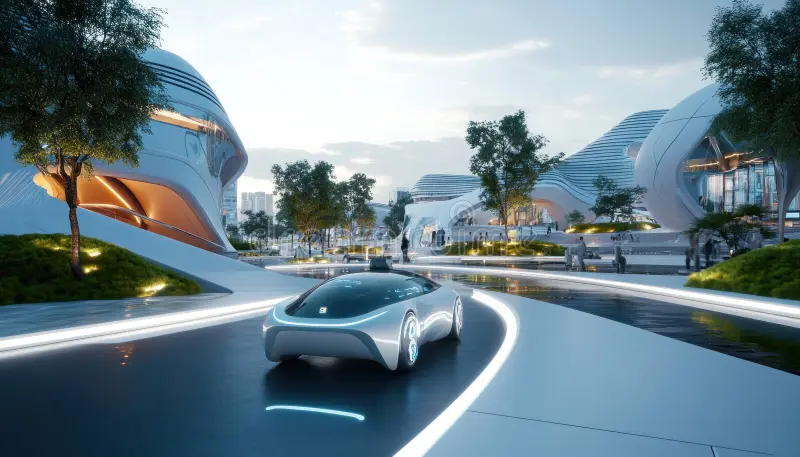
Self drive cars operate with minimal to zero human intervention, relying on technologies like lidar, radar, cameras, GPS, and AI algorithms. These vehicles follow the SAE automation levels, from Level 2 (partial automation) to Level 5 (fully driverless). Major players Tesla, Waymo, Cruise—are rapidly advancing development toward these higher automation levels
1. Safety Revolution: Reducing Human Error
Human error causes approximately 90% of all road accidents. Research indicates that incorporating autonomous systems like forward collision warning and automatic braking reduces crash rates by up to 15% Further studies project self drive cars could slash traffic fatalities by 90%, saving 30,000 lives annually in the U.S. alone .
Industry Milestone: Waymo’s driverless cars reported 92% fewer pedestrian injuries, 82% fewer cyclist injuries, and 96% fewer intersection crashes over 56.7 million miles tested, proving autonomous safety .
2. Efficiency & Congestion Control
Self drive cars are engineered for efficient, smooth traffic flow. They can reduce congestion by up to 40% and increase road capacity by 300–500% by maintaining consistent speeds and reducing gaps between cars Smart routing also helps trim travel time by up to 40%, freeing 50 minutes per commuter daily
3. Eco‑Friendly & Clean Mobility
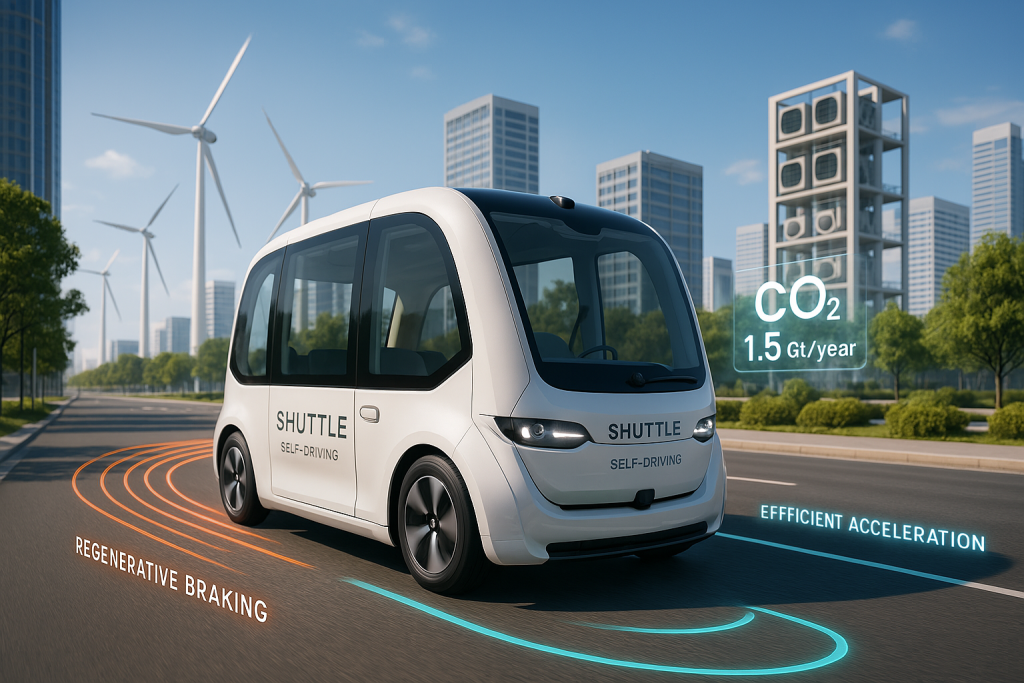
Together with electric powertrains, autonomous vehicles contribute to a greener future. Optimized acceleration and route planning can deliver 9% lower energy use. By 2050, autonomous adoption could lower global CO₂ emissions by 1.5 gigatons per year, aligning with climate goals
4. Inclusive Mobility for All
Autonomous cars enable independence for seniors, people with disabilities, and those unable to drive .They also provide reliable first- and last-mile transportation, integrating smoothly with public transit .
5.Economic Gains & Market Expansion
The autonomous vehicle market is booming:
1.Expected to reach $300–$400 billion by 2035 .
2.Driverless car industry could be worth $556 billion by 2026, and $1.6 trillion by 2035.
3.Widespread adoption could save $1.3 trillion annually in accident costs and productivity losses.
These statistics show why investors, governments, and the automotive industry are doubling down on self-driving tech.
6. Smart Infrastructure & Urban Planning
Autonomous vehicles can communicate with each other and with smart city systems to manage traffic, reduce parking needs by up to 60%, and reclaim urban land for greener, community-friendly spaces.
Despite impressive forecasts, hurdles remain:
1.Regulations & legal frameworks are in progress in regions like the UK and US, promoting accountability for autonomous operations thetimes.co.uk.
2.Public trust & cybersecurity remain top concerns.
3.Tech constraints including behavior during construction, ethical dilemmas, and variable road conditions are under active research .
Still, the vision is clear: safer roads, cleaner streets, and smarter cities.
8. Yo Drives: Pioneering the Future
At Yo Drives, we’re already preparing:
1.Introducing driver‑assist systems and EV‑ready rental cars
2.Exploring fleet autonomy partnerships
3.Launching app-based booking with AI navigation
Our goal is simple: put you at the forefront of smart, autonomous mobility.
Conclusion
Self drive cars are not just a vision they’re gearing up to transform how we live, work, and commute. With eye-popping economic gains, massive safety improvements, and life changing access for all, they represent the future of transportation. And with Yo Drives, you’re riding in the fast lane.